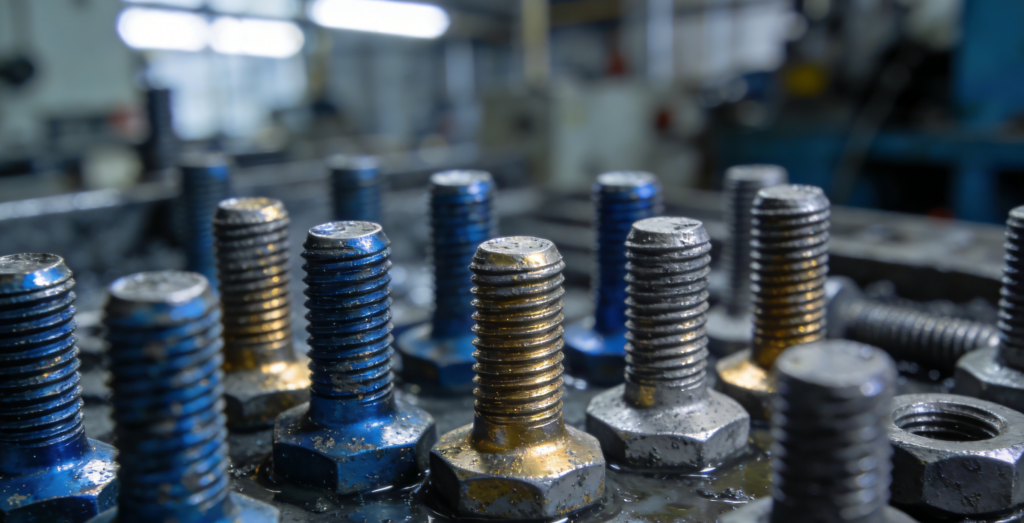
Anodising is an electrochemical process that transforms the surface of metals, particularly aluminium, into a more durable, corrosion-resistant metal with an aesthetically pleasing finish. This process not only enhances the metal’s natural properties but also opens more possibilities for its use in different industries. Anodising is a surface treatment technique that involves creating a controlled oxide layer on the surface of the metal. This layer is integrated into the metal itself, making it exceptionally hard and resistant to wear and tear. Unlike paint or plating which can chip or peel over time, anodised finishes are part of the metal, ensuring long-lasting protection. The process is most associated with aluminium, but it can also be applied to other metals like titanium and magnesium. The result is a surface that is not only tougher but also more receptive to dyes, allowing for a wider range of colour options. This makes anodised metals a popular choice for both functional and decorative applications.
How does anodising work?
The anodising process sounds complex, but it’s based on electrochemical principles.Here’s how it works:
Preparation:
The metal, typically aluminium, is first cleaned thoroughly to remove any dirt, grease, or impurities. This ensures that the anodising process is even and effective.
Electrolytic bath:
The cleaned metal is then submerged in an electrolytic solution, usually containing sulfuric acid. This solution acts as the electrolyte in the electrochemical cell.
Electrical current:
An electrical current is passed through the solution, with the metal acting as the anode (hence the term “anodising”). This causes oxygen ions to be released from the electrolyte and bond with the metal atoms on the surface.
Oxide layer formation:
The reaction between the metal and the oxygen ions forms a layer of metal oxide on the surface. This layer is porous, which allows for further treatments (such as dyeing).
Sealing:
After the desired thickness of the oxide layer is achieved, the metal is sealed to close the pores. This step enhances the metal’s resistance to corrosion and wear.
The result is a surface that is harder, more durable, and more resistant to environmental factors than the original metal. The thickness of the oxide layer can be controlled depending on the intended use of the metal, ranging from a few micrometres for decorative purposes to several tens of micrometres for industrial applications.